
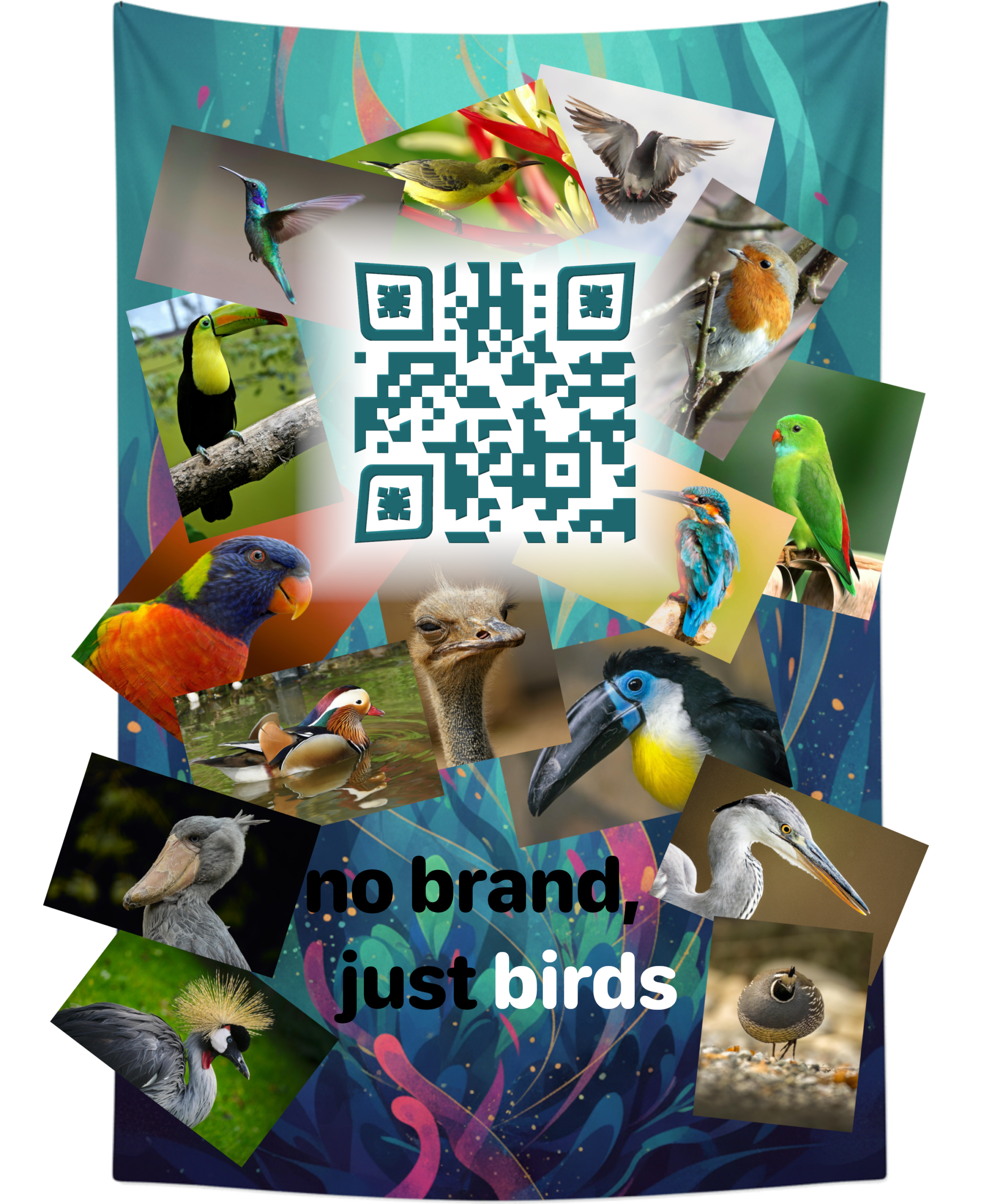
The World’s Most Exotic Birds: Wonders of Feathers and Flight
Birds are among the most dazzling expressions of evolution on Earth. From iridescent plumage to elaborate dances and near-mystical migrations, some species seem almost unreal. Below is a tour of some of the world’s most exotic birds, with their most intriguing facts and references you can explore for deeper learning.

1. Resplendent Quetzal (Pharomachrus mocinno)
The resplendent quetzal, found in Central American cloud forests, is often cited as one of the most beautiful birds on the planet.
Most Interesting Facts
- Sacred bird of ancient civilizations: The Maya and Aztecs revered the quetzal as a symbol of freedom and wealth. Its tail feathers were used as royal ornaments, but killing the bird was forbidden.
- Extraordinary tail streamers: Males can have tail feathers exceeding 60 cm (2 feet) in length, far longer than their body.
- Specialized fruit diet: Quetzals primarily eat wild avocados and other fruits, swallowing them whole and later regurgitating the seeds, helping regenerate cloud forests.
- Fragile to habitat change: They are highly sensitive to deforestation and require intact, moist, high-elevation forests.
References
- IUCN Red List – Resplendent Quetzal
- Cornell Lab – Birds of the World (Resplendent Quetzal) (search “Resplendent Quetzal” – subscription or institutional access may be required)
- American Bird Conservancy – Quetzal
2. Wilson’s Bird-of-Paradise (Cicinnurus respublica)
Endemic to a few islands in Indonesia, Wilson’s bird-of-paradise is a small bird with impossibly bright colors and surreal courtship behavior.
Most Interesting Facts
- Neon-like coloration: Males have a turquoise-blue bald head, red and black body, yellow mantle, and curling tail feathers that resemble decorative ribbons.
- Meticulous “dance floor” preparation: Males clear a patch of forest floor of leaves and debris to create a display court, then perform elaborate dances for visiting females.
- Extreme sexual selection: Such ornate plumage and complex displays are thought to have evolved through female choice over many generations.
References
- BirdLife International – Wilson’s Bird-of-Paradise (search for “Cicinnurus respublica”)
- Scholes, E. & Laman, T. (2018). Birds of Paradise: Revealing the World’s Most Extraordinary Birds. National Geographic.
- IUCN Red List – Wilson’s Bird-of-Paradise
3. Andean Cock-of-the-Rock (Rupicola peruvianus)
A symbol of the Andean cloud forests, this bird looks like a flying orange-red orchid with wings.
Most Interesting Facts
- Dramatic crest: Males have a huge fan-shaped crest that nearly covers their beak, giving them a bizarre half-moon profile.
- Lekking behavior: Males gather at traditional display arenas called leks. They hop, bow, and call loudly to attract females, sometimes in groups of dozens.
- Forest indicator: They rely heavily on intact, humid forests near rocky cliffs, and their presence can indicate a healthy ecosystem.
References
- BirdLife International – Andean Cock-of-the-rock
- Hilty, S. (2003). Birds of Venezuela. Princeton University Press.
- IUCN Red List – Andean Cock-of-the-Rock
4. Harpy Eagle (Harpia harpyja)
One of the most powerful raptors on Earth, the harpy eagle rules the Neotropical canopy.
Most Interesting Facts
- “Forest tiger of the skies”: With talons comparable in size to a grizzly bear’s claws, harpies can take prey as large as sloths and monkeys.
- Massive size: Females can exceed 9 kg (almost 20 lbs), with a wingspan over 2 meters, yet their broad wings are adapted for maneuvering in dense forest.
- Umbrella species: Protecting harpy eagle habitat safeguards countless other forest species, making conservation efforts doubly important.
References
- Panthera / Peregrine Fund – Harpy Eagle
- National Geographic – Harpy Eagle Profile (search “Harpy Eagle”)
- IUCN Red List – Harpy Eagle
5. Shoebill (Balaeniceps rex)
Native to East African swamps, the shoebill looks part dinosaur, part puppet, and part heron.
Most Interesting Facts
- Gigantic “shoe”-shaped bill: Its massive bill can exceed 23 cm (9 inches) and ends in a sharp hook, perfectly adapted for grasping slippery prey like lungfish.
- Statue-like hunting: Shoebills are famous for standing perfectly still for long periods, suddenly striking with lightning speed when prey passes.
- Bill-clattering “greeting”: They produce loud clattering sounds with their bills, particularly during courtship and nesting interactions.
References
- IUCN Red List – Shoebill
- Bird, D. M., & Bildstein, K. L. (eds.). (2007). Raptors of the World. Houghton Mifflin.
6. Philippine Eagle (Pithecophaga jefferyi)
Also called the “monkey-eating eagle,” this is one of the world’s rarest and most endangered raptors.
Most Interesting Facts
- National bird of the Philippines: It’s a source of national pride and a flagship species for conservation.
- Exceptionally large: One of the longest eagles in the world, with a length up to 1 meter and a massive wingspan suited to soaring above tropical forests.
- Slow reproduction: Pairs typically raise just a single chick every two years, making populations slow to recover from habitat loss and hunting.
References
- Philippine Eagle Foundation
- IUCN Red List – Philippine Eagle
- Kennedy, R. S. (1977). “Notes on the Biology and Population Status of the Philippine Eagle.” Wilson Bulletin 89(1).
7. Kea (Nestor notabilis)
The kea, native to New Zealand’s South Island, is often called the world’s only alpine parrot.
Most Interesting Facts
- Remarkable intelligence: Keas solve puzzles, use tools in experiments, and show sophisticated problem-solving and social learning in the wild.
- Curious and mischievous: They’re notorious for investigating backpacks, cars, and ski equipment, sometimes causing serious damage but offering great entertainment.
- Hidden colors: While they appear mostly olive-green, their underwings are a brilliant orange-red, flashing in flight or during displays.
References
- Diamond, J., & Bond, A. B. (1999). Keas, Kakapos and Kakas: The New Zealand Parrots. Oxford University Press.
- New Zealand Department of Conservation – Kea
- Gajdon, G. K., et al. (2006). “A New Problem-Solving Task for Kea (Nestor notabilis).” Animal Behaviour 71(3).
8. Superb Lyrebird (Menura novaehollandiae)
Found in the forests of southeastern Australia, the superb lyrebird is legendary for vocal mimicry and elaborate courtship.
Most Interesting Facts
- Master mimics: Lyrebirds can imitate chainsaws, camera shutters, car alarms, other bird species, and even human voices, incorporating them into their complex songs.
- Iconic tail display: Males raise and fan sixteen ornate tail feathers over their backs, forming a lyre shape while singing and dancing on a display mound.
- Soil engineers: Their constant scratching in leaf litter helps aerate soil and cycle nutrients in forest ecosystems.
References
- BirdLife Australia – Superb Lyrebird
- Robinson, F. N., & Curtis, H. S. (1996). “Individual and Sex Differences in the Song of the Superb Lyrebird.” Emu 96.
- Australian Museum – Superb Lyrebird
9. Secretarybird (Sagittarius serpentarius)
A large terrestrial bird of prey from sub-Saharan Africa, the secretarybird looks like a cross between an eagle and a crane.
Most Interesting Facts
- Snake-stomping specialist: It hunts primarily on foot, using powerful kicks to stun and kill snakes and other prey.
- Unique morphology: Long legs, crest of quill-like feathers on its head, and an eagle-style hooked beak create its unmistakable silhouette.
- Coat-of-arms icon: The secretarybird adorns national symbols of several African countries, including South Africa’s coat of arms.
References
- IUCN Red List – Secretarybird
- Portugal, S. J., et al. (2016). “Kicking the Hornet’s Nest: How Powerful is a Secretary Bird’s Kick?” Biology Letters 12(5).
- BirdLife International – Secretarybird
10. Hyacinth Macaw (Anodorhynchus hyacinthinus)
The largest flying parrot in the world, the hyacinth macaw is a brilliant cobalt-blue giant of South American savannas and forests.
Most Interesting Facts
- Massive bill strength: Their beaks can crack open extremely hard nuts, such as those of palm species that many other animals cannot access.
- Specialized diet and habitat: They depend on particular palm species for food and nesting, making them vulnerable to habitat changes.
- Charismatic conservation symbol: Their striking coloration and gentle disposition in captivity have made them ambassadors for parrot conservation worldwide.
References
- World Parrot Trust – Hyacinth Macaw
- IUCN Red List – Hyacinth Macaw
- Collar, N. J. (1997). “Family Psittacidae (Parrots).” In del Hoyo, J. et al. (eds.), Handbook of the Birds of the World, Vol. 4. Lynx Edicions.
11. Kakapo (Strigops habroptilus)
The kakapo, or “owl parrot,” is one of the strangest birds on Earth: a nocturnal, flightless, critically endangered parrot from New Zealand.
Most Interesting Facts
- Heaviest parrot: Weighing up to 4 kg (about 9 lbs), it’s much heavier than typical flying parrots.
- Booming courtship calls: Males dig bowl-shaped depressions and produce low-frequency “booms” that can carry several kilometers through the forest at night.
- Conservation comeback story: Once nearly extinct due to introduced predators, kakapo now survive through one of the world’s most intensive conservation programs.
References
- Kākāpō Recovery Programme – New Zealand Department of Conservation
- IUCN Red List – Kakapo
- Butler, D. (2013). Kakapo: Beyond the Brink of Extinction. Canterbury University Press.
12. Hoatzin (Opisthocomus hoazin)
Sometimes called the “stinkbird,” the hoatzin of the Amazon and Orinoco basins may be one of the most evolutionarily unusual birds alive.
Most Interesting Facts
- Leaf fermenter: Hoatzins are one of the few birds that rely primarily on folivory (eating leaves). They have a specialized foregut with microbial fermentation, somewhat analogous to cattle.
- Clawed chicks: Young hoatzins have functional claws on their wings, which they use to clamber among branches and even swim if they fall into water, then climb back up.
- Evolutionary puzzle: Its exact relationships to other bird groups have been debated for decades, making it a textbook example in avian systematics.
References
- Hughes, J. M. (1996). “Hoatzin.” Birds of South America.
- IUCN Red List – Hoatzin
- Grajal, A., et al. (1989). “Foregut Fermentation in the Hoatzin, a Neotropical Leaf-Eating Bird.” Science 245(4915): 1236–1238.
For Readers Interested in Ornithology
If reading about these birds sparked your curiosity, you’re already standing at the threshold of ornithology—the scientific study of birds. Whether you’re a casual birdwatcher or considering formal study, you can deepen your knowledge in several ways:
- Start observing locally: Even common “backyard” birds show remarkable behaviors and adaptations. Keeping a field notebook and using binoculars is how many ornithologists began.
- Join a bird club or citizen science project: Programs like eBird or local bird counts let you contribute real data to global research.
- Learn the science behind the feathers: Understanding evolution, ecology, genetics, and behavior will give you a richer appreciation of every species you encounter.
Key Educational Websites for Ornithology
These are some of the most respected and useful resources for learning more:
- Cornell Lab of Ornithology – comprehensive bird ID, courses, research news
Cornell Lab of Ornithology
– Bird ID & life history (Merlin and All About Birds): All About Birds
– Global citizen science database: eBird - BirdLife International – global bird conservation status, species factsheets, and IBA (Important Bird and Biodiversity Area) information
BirdLife International - IUCN Red List of Threatened Species – authoritative conservation status and distribution maps for birds (and other taxa)
IUCN Red List - American Ornithological Society (AOS) – taxonomy, professional journals, and educational materials
American Ornithological Society - Royal Society for the Protection of Birds (RSPB) – excellent introductory material, especially on European species, plus conservation info
RSPB - Society for Conservation Biology – Birds & Conservation
Society for Conservation Biology (search “birds” or “ornithology”) - Local and regional bird organizations – national or regional societies (e.g., British Trust for Ornithology, African Bird Club, Oriental Bird Club) often provide region-specific guides, checklists, and research updates.

A Closing Message
Birds connect continents, cultures, and ecosystems. The same migration route that guides Arctic terns across oceans also carries shorebirds along coasts where people have lived for millennia. By learning about birds—especially the exotic, rare, and endangered ones—you’re not just admiring beauty; you’re engaging with some of the most sensitive indicators of our planet’s health.
If ornithology fascinates you, keep reading, observing, listening, and asking questions. Every checklist submitted, every habitat protected, and every new student of birds contributes to a global effort to understand and conserve these remarkable animals. In that sense, you’re already part of the community.